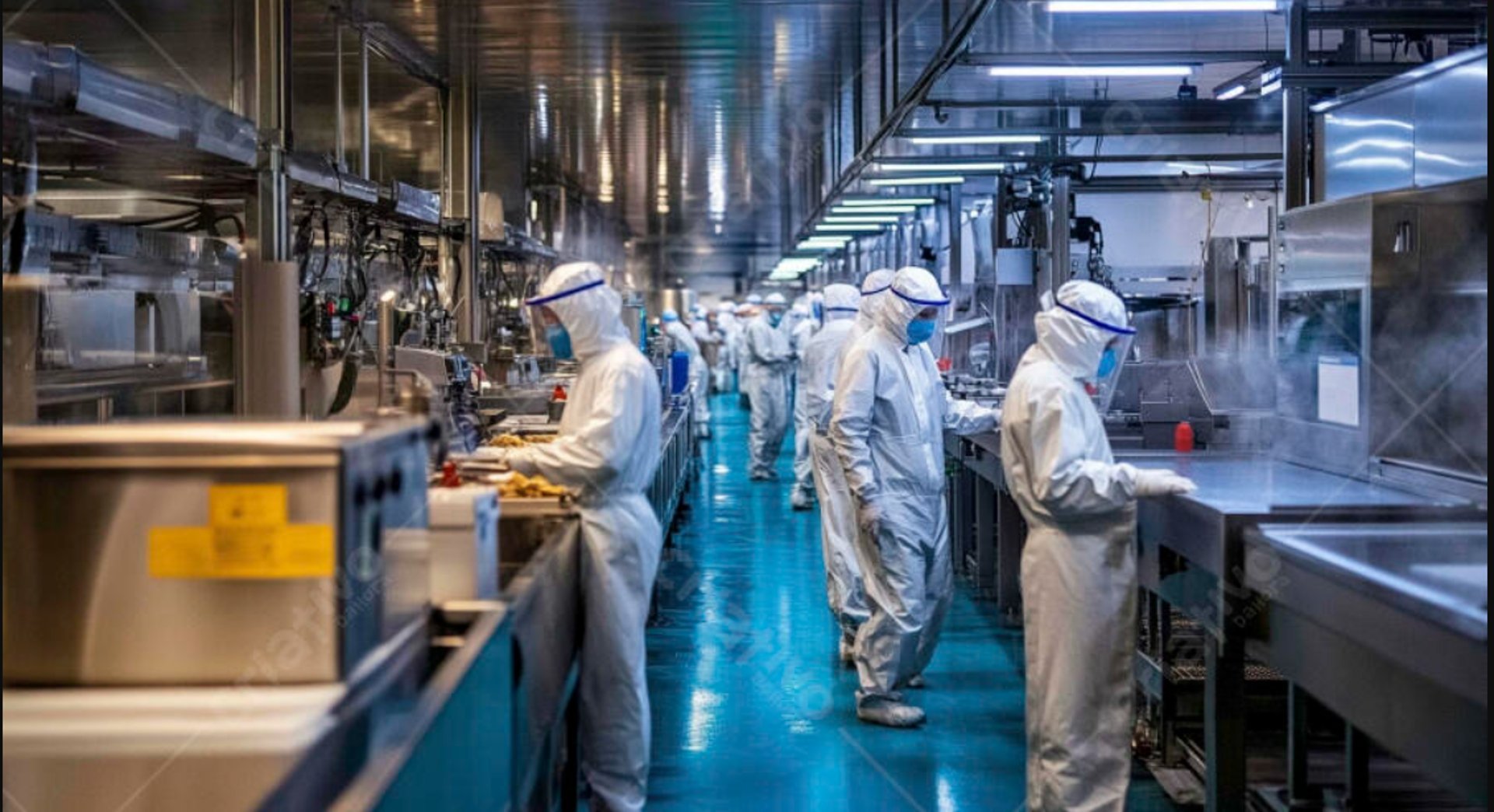
How Modern Food Factories Reduce Waste and Improve Efficiency with Smart Production Systems
An Informational Guide to Filling Machines, Conveyor Systems, and Spraying Technology in Modern Manufacturing
Why Efficiency Matters More Than Ever
Across Southeast Asia, food manufacturing is expanding rapidly. Rising demand, export standards, and tighter margins are pushing factories to produce more while maintaining quality and reducing waste.
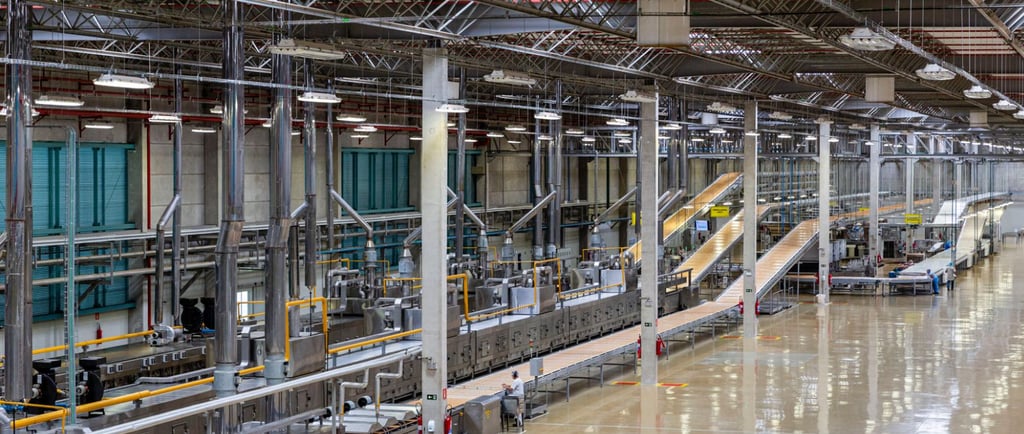
Modern production no longer relies on isolated machines. Instead, manufacturers are adopting integrated automation systems, where filling machines, conveyors, and spraying technologies operate as one synchronized workflow.
Understanding how these systems interact helps engineers, factory managers, and business owners design more efficient production lines.
The Role of Filling Machines in Production Lines
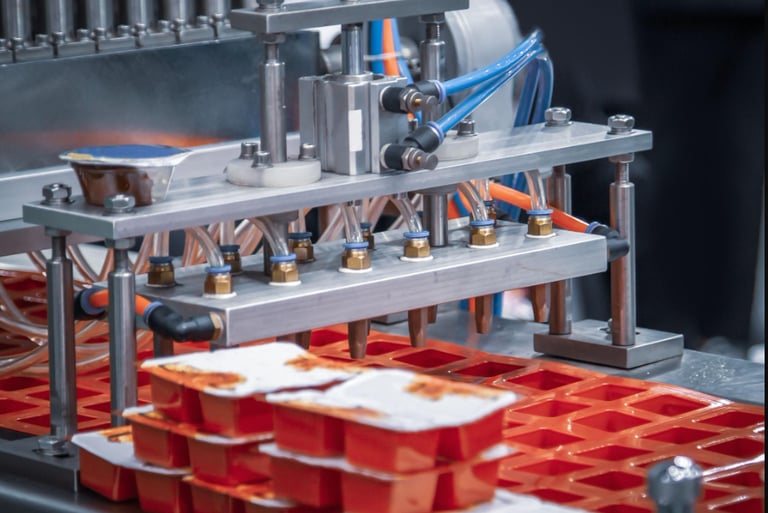
Filling machines are responsible for accurately transferring product into bottles or containers. This stage directly impacts product consistency, hygiene, and material efficiency.
Modern systems especially lobe pump filling machines are ideal for viscous products such as sauces, syrups, oils, and creams because they:
Maintain steady product flow
Reduce overfilling and material loss
Preserve product texture
Improve batch to batch consistency
Accurate filling reduces ingredient waste and ensures professional, uniform packaging.
Why Conveyor Systems Are the Backbone of Automation
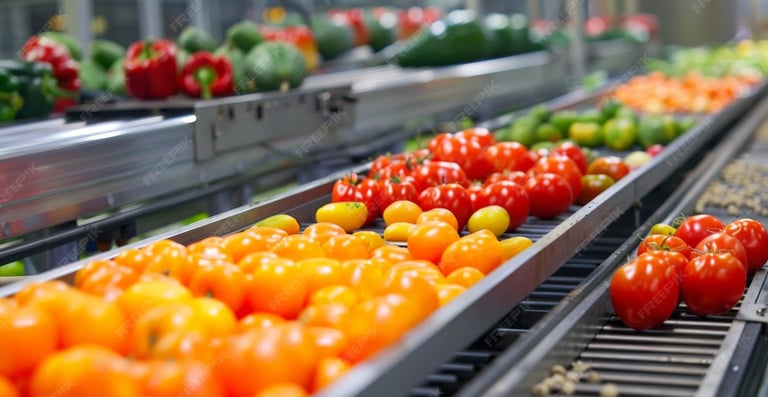
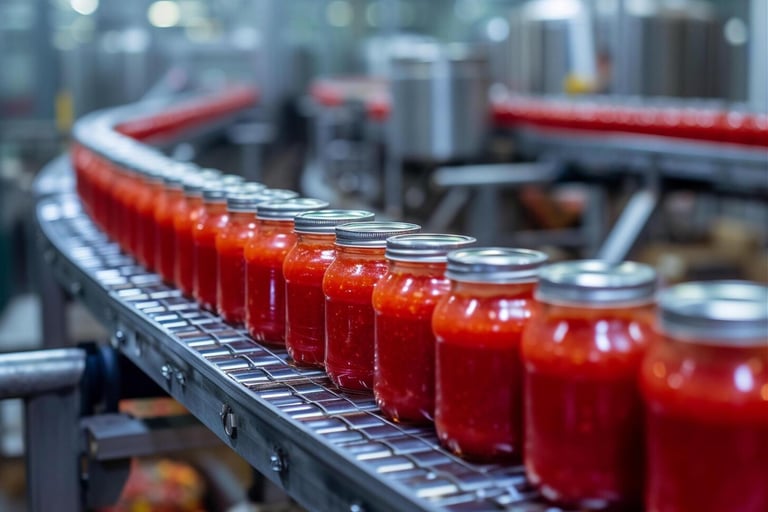
A conveyor system connects each stage of production, moving products efficiently from filling to labeling and packaging.
Key advantages include:
Reduced manual handling
Structured workflow organization
Consistent production speed
Seamless integration with filling and inspection systems
Well-designed conveyor layouts eliminate bottlenecks and stabilize output rates.
Spray Nozzle Systems: Precision Application in Manufacturing
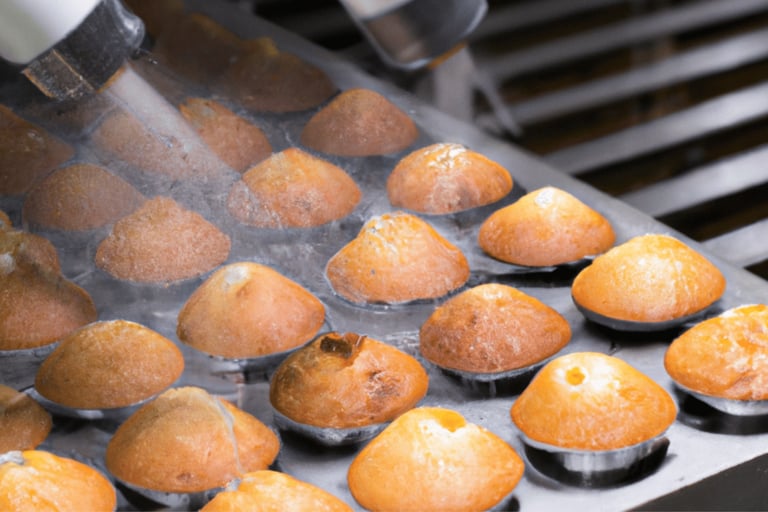
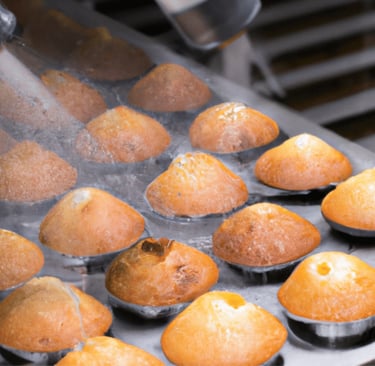
Spray systems play a critical but often underestimated role in food production.
Common applications include:
Product coating or flavor application
Cleaning and sanitation (CIP processes)
Lubrication during mechanical operations
Controlled liquid dispensing on packaging lines
Precision spray technology reduces overspray, ensures uniform coverage, and improves process reliability.
Automated Spray Control Systems for Precision Application
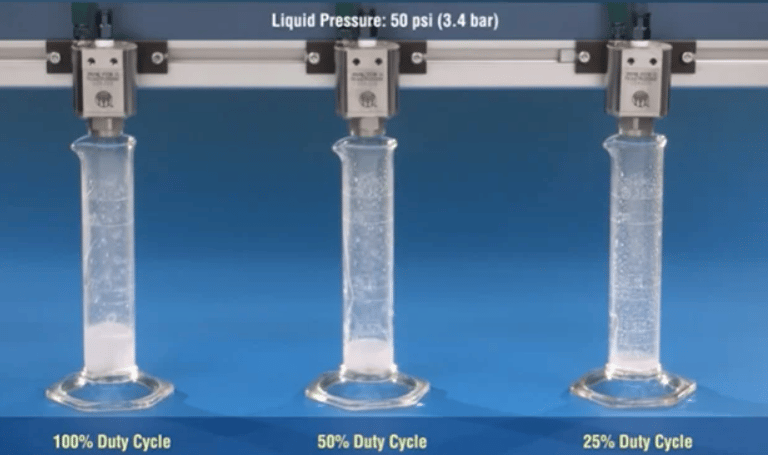
Modern automation increasingly integrates intelligent spray control systems. Solenoid valve nozzle systems allow precise regulation of liquid flow, timing, and spray patterns during production.
These systems enable:
Repeatable spray accuracy
Automated on/off synchronization with conveyors
Reduced overspray and raw material waste
Improved consistency across production cycles
In high-volume manufacturing, timing and precision directly affect cost control.
How These Systems Work Together
Modern production lines perform best when equipment operates as an integrated system:
Filling machines control product volume
Conveyors manage product flow
Spray systems maintain hygiene and application precision
Central control systems synchronize timing
This integration reduces downtime, lowers manual intervention, and improves operational predictability.
Common Challenges These Technologies Address
Factories implementing smart production systems typically aim to solve:
Excess product waste during filling
Inconsistent packaging standards
Production slowdowns
High labor dependency
Frequent sanitation interruptions
Automation addresses these issues by stabilizing processes rather than simply increasing capacity.
The Future of Food Manufacturing in Southeast Asia
As competition intensifies, manufacturers are transitioning toward modular automation systems that scale gradually with growth.
Smarter production design reduces operational risk and improves long-term sustainability without requiring massive factory expansion.
Knowledge of filling, conveying, and spraying technologies provides a stronger foundation for strategic investment decisions.
Final Thoughts
Modern food manufacturing is no longer defined by individual machines, but by how systems integrate.
Filling machines, conveyor systems, and precision spray technologies work together to reduce waste, improve efficiency, and create more predictable production outcomes.
Factories that design intelligently today build stronger operational resilience for tomorrow.