Why the Global Sauce & Condiment Industry Is Booming and What It Means for Food Manufacturers
Rising demand for sauces and ready-to-use condiments is driving investment in modern filling and automation systems.
Introduction: A Market Expanding Faster Than Production Capacity
Across Southeast Asia and globally, consumer eating habits are shifting toward convenience, bold flavors, and ready-to-use food products.
The global sauces, dressings, and condiments industry is expanding rapidly driven by:
Urbanization
Food delivery growth
Online grocery platforms
International cuisine adoption
Demand for ready-to-cook solutions
For manufacturers, this growth presents opportunity but also operational pressure. Rising demand requires stable production systems capable of handling viscous products efficiently.
Rising Demand: What the Numbers Indicate
Industry projections estimate the global sauces, dressings, and condiments market will reach approximately USD 237.54 billion by 2030, growing at around 5.3% Compound Annual Growth Rate (CAGR).
Asia Pacific accounts for the largest regional share, with strong demand across Southeast Asia.
Key growth drivers:
Increased urban household consumption
Convenience-oriented food culture
Growth in modern retail and e-commerce
Cross-border flavor experimentation
Cooking sauces and ready-to-use pastes represent a significant share of revenue signaling long-term demand for high-volume production capacity.
Why Southeast Asia Is a Strategic Growth Region
Malaysia, Indonesia, Thailand, and Vietnam are experiencing increased demand for:
Sambal and chili-based sauces
Ready-to-cook pastes
Condiments and dressings
Sweet spreads and syrups
As local brands scale into regional distribution, production lines must process thicker, viscous liquids at higher speeds something manual or outdated filling systems struggle to handle.
The Manufacturing Challenge Behind the Growth
As output requirements rise, factories commonly face:
Inconsistent filling levels
Product spillage and raw material waste
Packaging bottlenecks
Machine downtime under continuous load
When ingredient costs increase, inefficiencies directly impact margins.
Why Filling Technology Is Central to Scalability
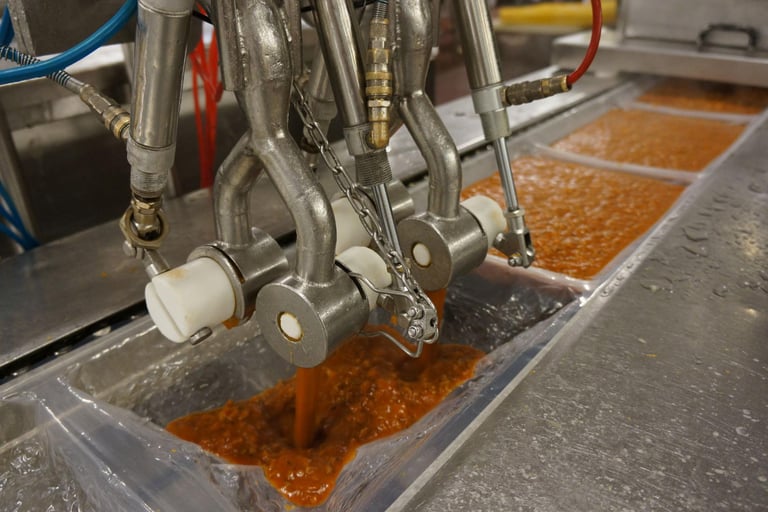
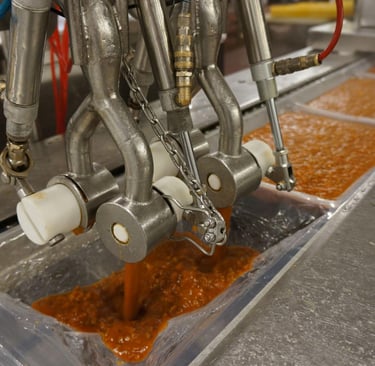
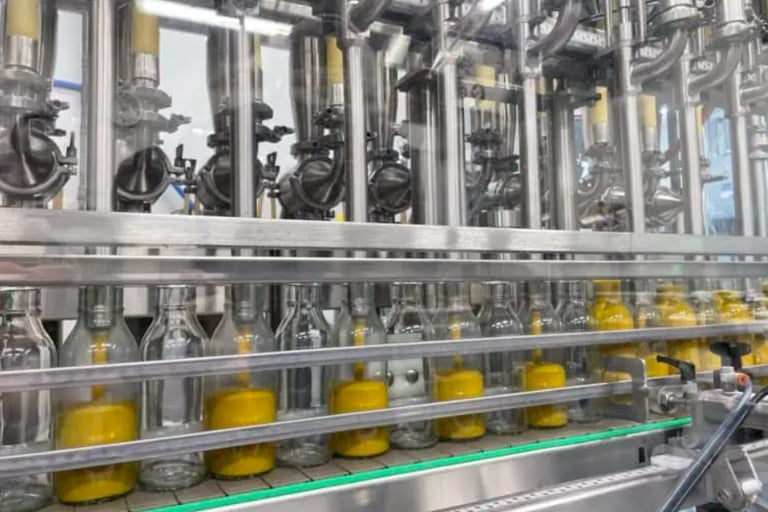
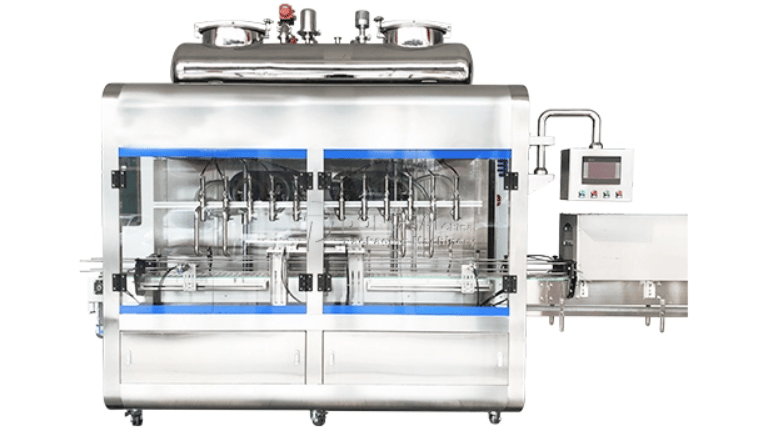
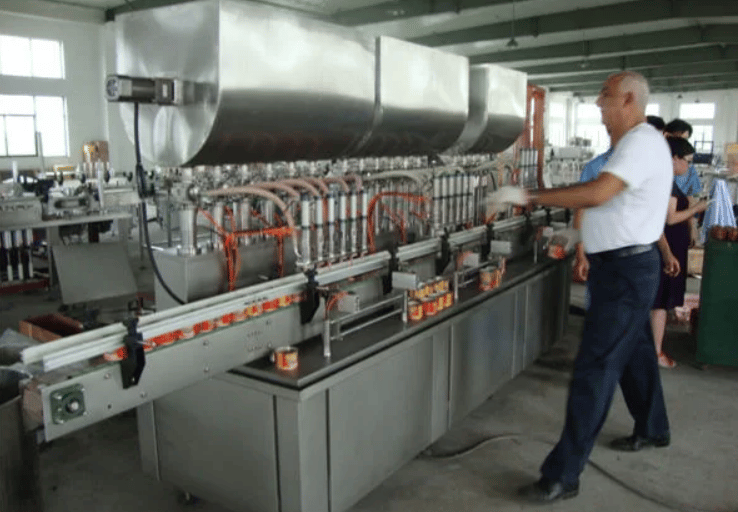
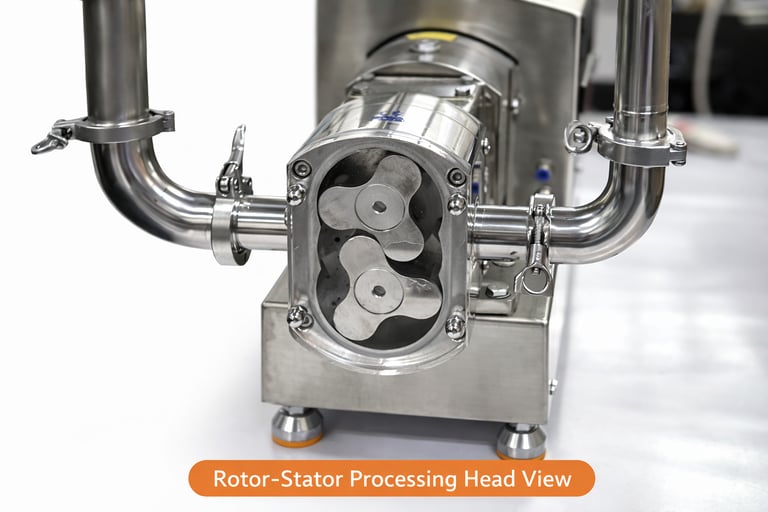
Modern lobe pump filling machines are increasingly preferred for sauces and viscous products because they provide:
Smooth and continuous product flow
Gentle handling of thick mixtures
Accurate volume control
Reduced downtime during extended production
Precision filling improves consistency while reducing waste critical in high demand markets.
The Role of Integrated Automation Systems
As production volume increases, isolated machines are not enough.
Manufacturers benefit from integrated systems that include:
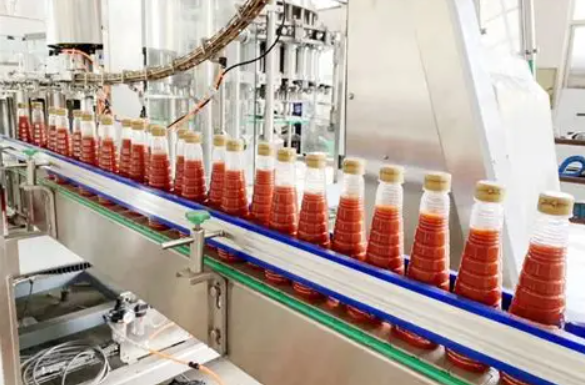
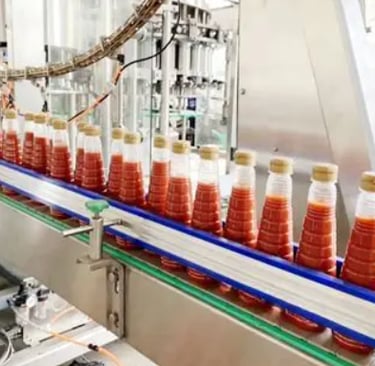
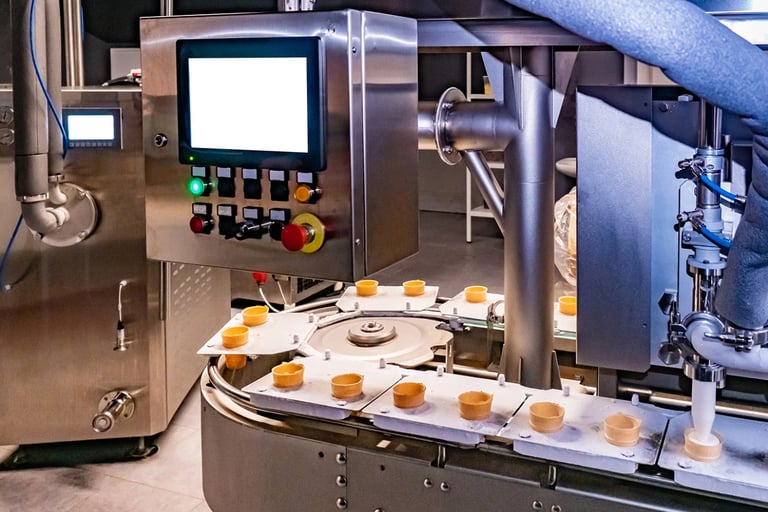
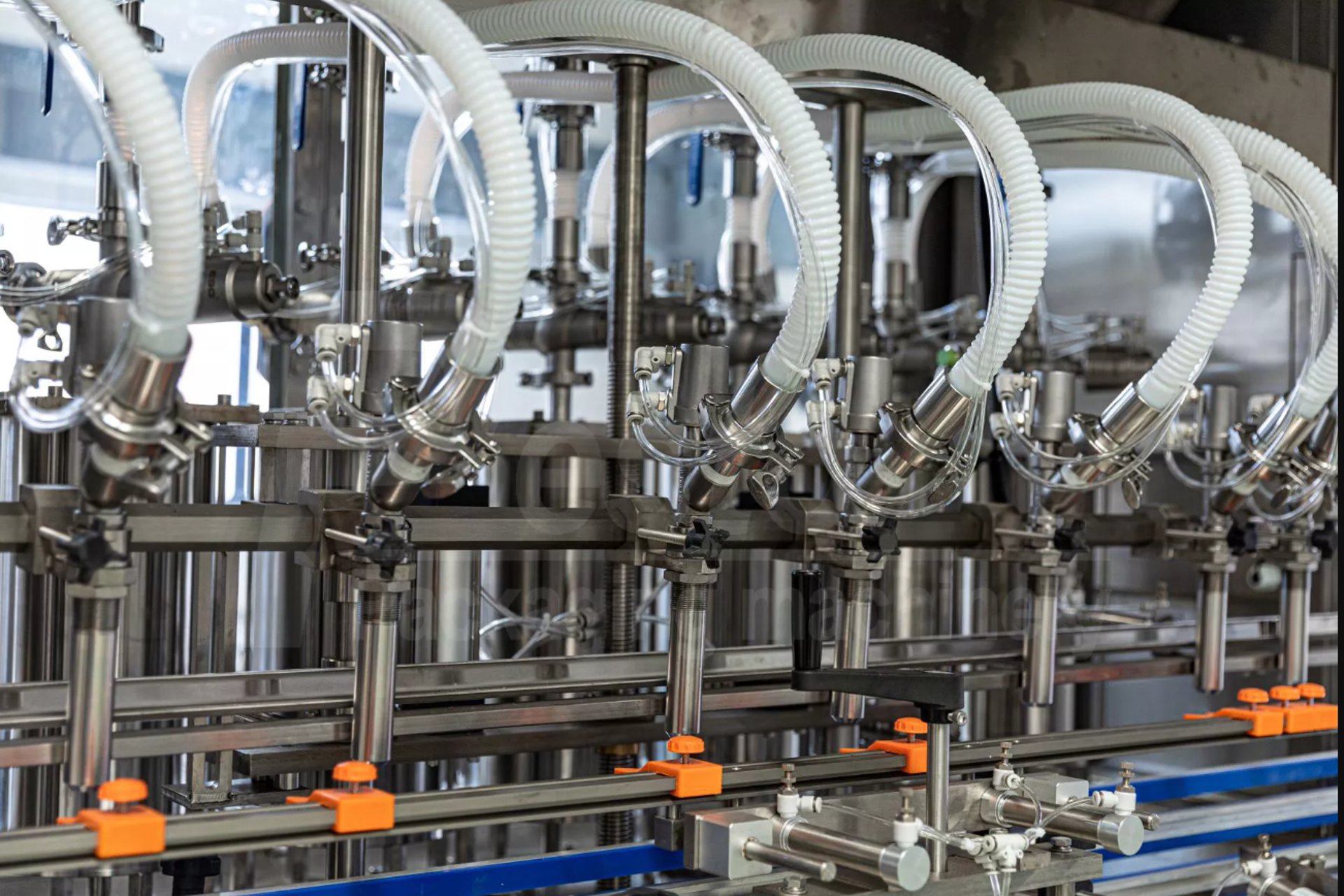
Conveyor belt systems for continuous product flow
Automated spray control systems for precise application
Preventive maintenance and repair support
Integrated workflows reduce stoppages, stabilize throughput, and improve operational predictability.
What We Offer: Automation Built for Growing Manufacturers
As demand for sauces and condiments rises, manufacturers need systems designed for scalability and reliability.
At GMT Machinery, we provide automation solutions engineered for viscous food production environments.
Our Core Solutions
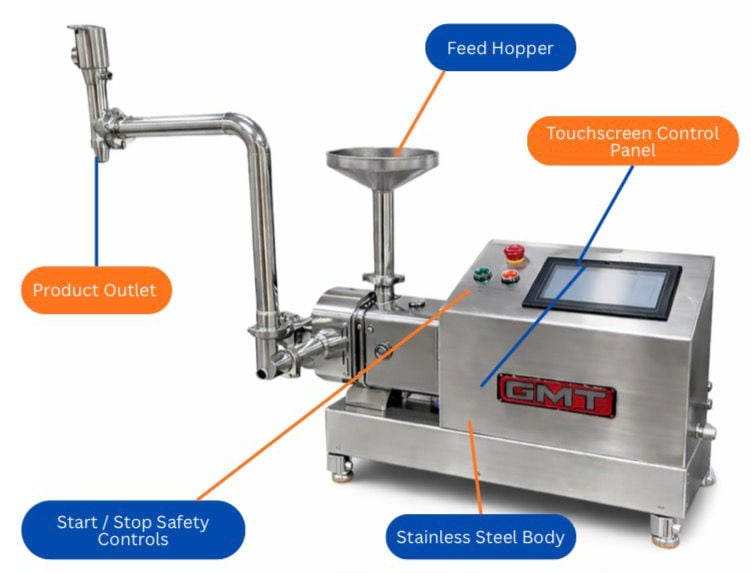
Lobe Pump Filling Machines
Accurate filling for sauces, chili paste, chocolate, oils, creams, and viscous mixtures.
Conveyor Belt Systems
Optimized product transfer between production stages.
Automated Spray Control Systems
Solenoid valve nozzle technology for precise liquid application.
Factory Machinery Repair Services
Rapid support to minimize downtime and protect output.
GZB Type Rotary Pump Filling Machine: Key Specifications
Power Supply: 220V / 50Hz
Power Options: 750W / 2000W / 2600W / 3800W
Operation Modes: Self-suction, funnel feeding, conveyor integration
Applicable Products: Liquids, pastes, granular sauces, non-flammable chemical sauces
Filling Range: 5 g – 100 kg
Filling Accuracy: ±2 g (material dependent)
Filling Speed: 10 – 100 L/min
Machine Weight: 38 kg / 70 kg / 82 kg (model dependent)
How This Helps You Stay Competitive
By upgrading production systems, manufacturers can:
Increase production reliability
Improve packaging consistency
Reduce raw material waste
Lower long-term operating costs
Scale capacity without rebuilding entire facilities
In competitive food manufacturing markets, operational stability becomes a strategic advantage.
What This Means for Food Businesses
The sustained global appetite for sauces and convenience foods indicates long-term demand growth.
For manufacturers expanding regionally or entering new markets, efficient filling and packaging systems are essential to meeting rising order volumes while protecting margins.
Final Remarks
The growth of the global sauce and condiment industry reflects changing consumption patterns and increased demand for convenient flavor solutions.
Manufacturers that invest in reliable automation, accurate filling technology, and integrated production systems position themselves for sustainable growth in Southeast Asia’s evolving food sector.